When it comes to capturing insects with a Nikon camera, a dedicated macro lens is often the best choice. Macro lenses are designed to provide high magnification and exceptional clarity for close-up photography, making them ideal for capturing the intricate details of insects. Here are a couple of Nikon macro lenses that are highly regarded for insect photography:
- Nikon AF-S VR Micro-NIKKOR 105mm f/2.8G IF-ED:
- This lens is a popular choice among macro photographers. The 105mm focal length allows you to maintain a comfortable working distance from your subjects, reducing the risk of disturbing them.
- The Vibration Reduction (VR) feature helps stabilize the image, particularly useful when shooting handheld at close distances.
- The f/2.8 aperture provides excellent low-light performance and a beautiful background blur (bokeh) for isolating your insect subjects.
- Nikon AF-S Micro-NIKKOR 60mm f/2.8G ED:
- The 60mm focal length is slightly shorter than the 105mm, making it a good choice for capturing insects in more confined spaces.
- This lens also features a fast f/2.8 aperture for low-light situations and beautiful background separation.
- It’s a lightweight and compact option, making it easier to handle in the field.
Tips for Insect Photography:
- Patience is Key: Insects can be skittish, so take your time and move slowly to avoid startling your subjects. Wait for the right moment to capture them in a natural pose.
- Use a Tripod: Especially in macro photography where precision is crucial, a sturdy tripod can help stabilize your camera and ensure sharp images.
- Appropriate Lighting: Consider using diffused natural light or an external flash with a diffuser to avoid harsh shadows. Controlling the light is crucial for revealing the details of your insect subjects.
- Wide Aperture for Isolation: A wide aperture (low f-number) helps to isolate your subject by creating a shallow depth of field, making the insect stand out against a blurred background.
- Respect the Environment: Be mindful of the insects’ habitat and behavior. Avoid disturbing their natural environment, and if necessary, use ethical practices to temporarily relocate them for a photo and then return them safely.
Both the Nikon 105mm and 60mm macro lenses mentioned above are excellent choices for capturing the fascinating world of insects. Choose the focal length based on your shooting preferences and the specific conditions you often encounter in your insect photography adventures.
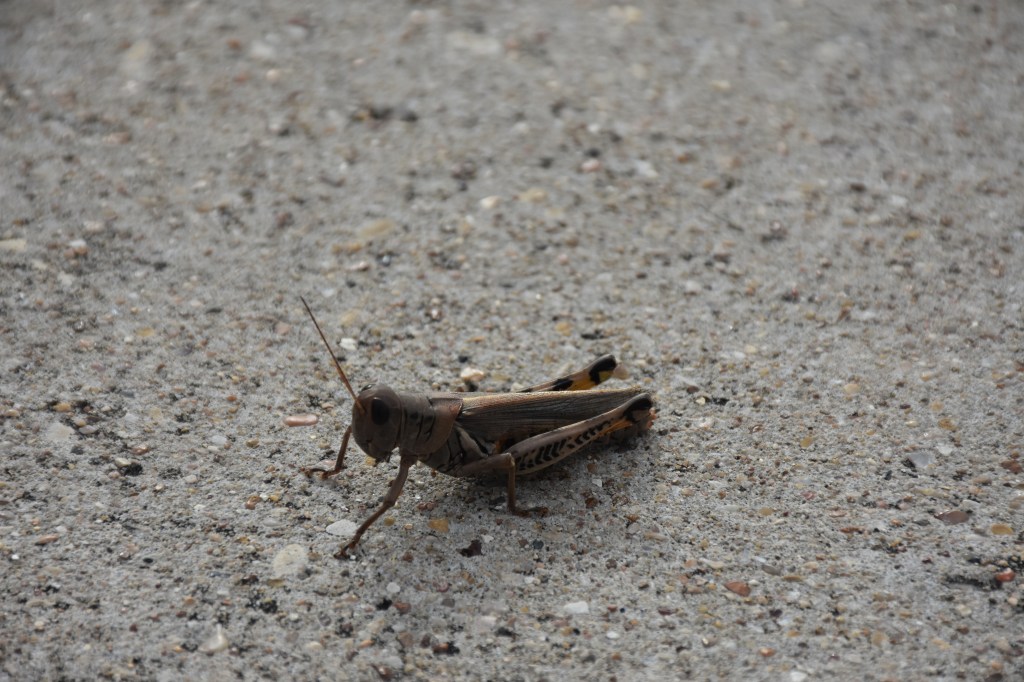
 Amor Texas Naturescapes
Leave a comment