
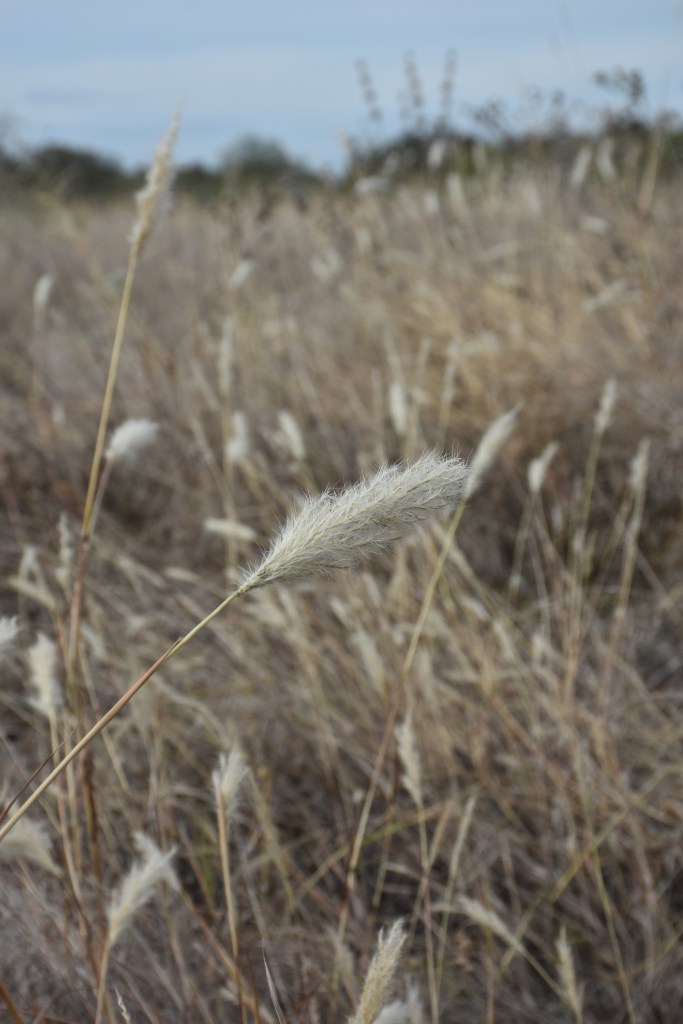
- Use a Wide Aperture Lens: Bokeh is more pronounced when you use a lens with a wide aperture (a low f-number). For example, lenses with f/1.4 or f/2.8 apertures can produce a stronger bokeh effect. These lenses allow more light to enter the camera and create a shallow depth of field, resulting in a blurred background.
- Get Close to the Subject: Position yourself close to the flowers you want to photograph. This helps to emphasize the depth of field and makes the background blur more noticeable.
- Use the Right Background: Choose a background with bright and contrasting elements. This helps the bokeh to stand out more. Lights, such as those from the sun filtering through leaves or city lights in the background, can create beautiful bokeh.
- Create Distance: Increase the distance between the subject (flowers) and the background. The farther the background is from the subject, the more pronounced the bokeh effect will be.
- Manual Focus: If your camera allows, try manually focusing on the flowers while keeping the background out of focus. This gives you more control over the composition and the areas you want to highlight.
- Consider the Time of Day: The quality of natural light can affect the bokeh in your photos. Shooting during the golden hour (early morning or late afternoon) can provide warm and soft light that enhances the overall look.
- Experiment with Different Lenses: Different lenses produce different bokeh effects. Some lenses may have circular bokeh shapes, while others may have more hexagonal shapes. Experimenting with various lenses can give you a range of bokeh styles.
Remember that achieving a pleasing bokeh effect is a combination of factors, including the lens, aperture, distance, and composition. Experimenting with these elements will help you capture beautiful and artistic photos of flowers with a pronounced bokeh effect.
 Amor Texas Naturescapes
Leave a comment